
EPR for Textiles: EU decisions trigger new obligations – Germany prepares implementation
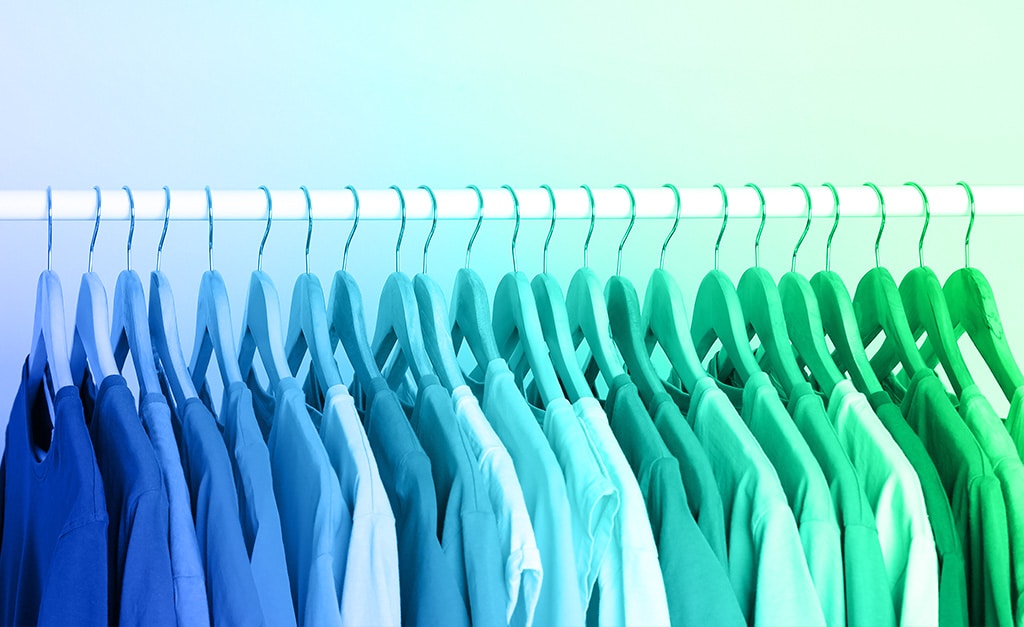
The European Union continues to drive the transition towards a functioning circular economy. With the With the revision of the Waste Framework Directive, the European Parliament adopted binding EU-wide rules on Extended Producer Responsibility (EPR) for textiles in September 2025. beschlossen. The objective is to significantly reduce textile waste and to place greater responsibility on manufacturers for the collection, reuse, and recycling of textiles.
EU-Level Decisions: Harmonised requirements for Textile EPR
With the revision of the Waste Framework Directive (WFD), the EU obliges all Member States to introduce national EPR schemes for textiles. . In future, companies that place textiles on the market for the first time in an EU country will be required to contribute financially to the costs associated with their end-of-life management. This includes separate collection, sorting, preparation for reuse, and recycling of used textiles.
While the EU requirements define the overall framework, Member States retain flexibility when it comes to the specific design of their national systems.
Current situation in Germany: Regulation in preparation
Unlike countries such as France or the Netherlands, Germany does not yet have its own textile EPR system in place.. However, one thing is clear: Germany is required to implement the EU requirements within the prescribed deadlines.
Specifically, this means:
- By 17 June 2027 at the latest, Germany must adopt national legislation.
- By 17 April 2028 at the latest, Germany must have established a functioning textile EPR system (or systems).
By this point, companies will have to comply with the relevant obligations. Micro-enterprises will be granted an additional year to meet the requirements.
At present, there are intensive discussions within expert circles, industry associations, and political bodies regarding the design of a national textile EPR system in Germany. A model aligned with established EPR mechanisms is expected (e.g. manufacturer financing, PRO structures, reporting and registration systems). However, concrete and final details on national legislation and registers in Germany are not yet available.
New obligations: What manufacturers can expect
With the national implementation of the EPR directive, the following obligations are likely to be introduced in Germany:
Mandatory registration for manufacturers and first-time distributors of textiles
Participation in an EPR system (e.g. via a Producer Responsibility Organisation, or PRO)
Regular reporting of quantities of textiles placed on the market
Payment of EPR fees, depending on product type, quantity, and the sustainability of the textiles placed on the market
These obligations will not only affect traditional manufacturers, but also importers, brand owners, and online retailers – including companies based outside Germany that place textiles on the German market and sell them to end consumers.
The specific deadlines will only be defined once national legislation is adopted. However, experience from other EPR schemes shows that companies are often given only short implementation periods.
Why companies should act now
Even though details of the German implementation are still pending, waiting is not a viable strategy. Experience from other EPR areas shows that companies that prepare early avoid last-minute pressure, compliance risks, and unnecessary costs.
Early engagement with textile EPR helps companies to:
- correctly classify their product portfolios (including sustainability aspects),
- identify affected countries and roles (manufacturer vs. retailer),
- prepare internal processes for data and quantity reporting,
- keep track of international obligations.
Especially for international companies, coordinating different national EPR systems will become a key challenge.
Conclusion: Textile EPR is coming – Including Germany
The introduction of an EPR system for textiles is not a question of if, but when. With the revision of the Waste Framework Directive, the EU has set clear parameters. Germany now faces the task of translating these requirements into national law.
For manufacturers and retailers, this means: the era of voluntary solutions is coming to an end. Anyone placing textiles on the market will, in future, have to assume responsibility – financially, organisationally, and legally.
Noventiz supports companies with questions relating to environmental legislation and assists them in implementing their obligations. Would you like to stay up to date and be informed early about legislative changes? Please feel free to contact us.
Stay up to date with Noventiz
At Noventiz, we support companies throughout Germany and Europe in all matters relating to environmental compliance. Do you have any questions about our EPR services?