
Plastiksteuer: Hintergründe, Pflichten, Beispiele
Plastiksteuer – Eine Einordnung
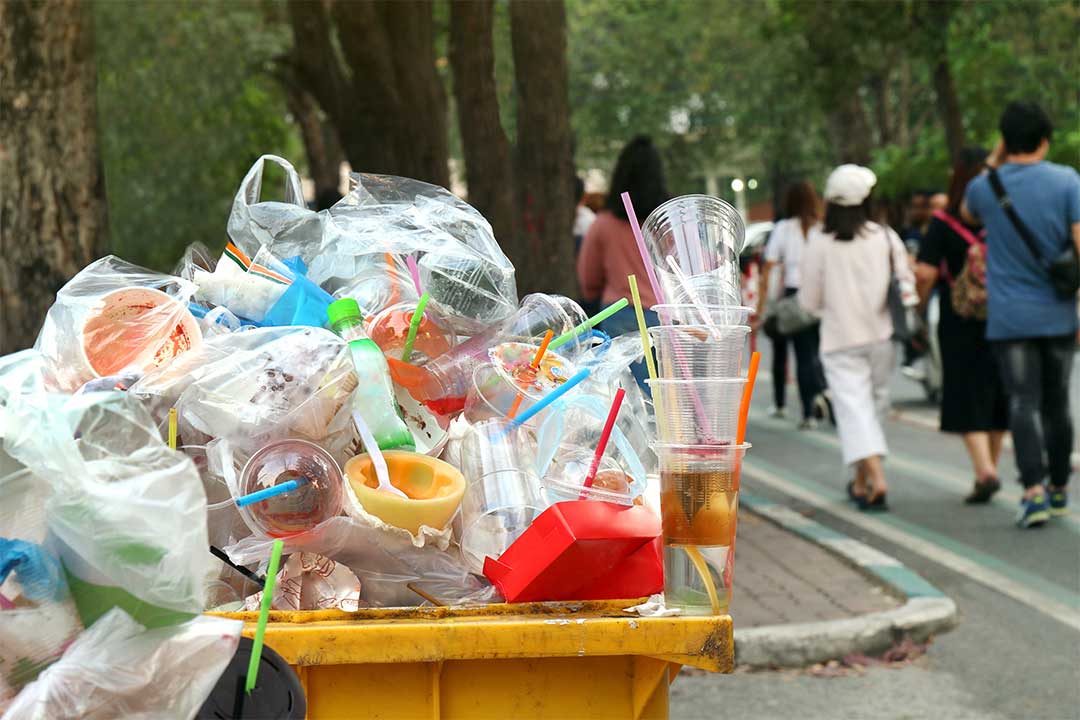
In unserer heutigen Gesellschaft ist der Umgang mit Kunststoff ein heiß diskutiertes Thema, insbesondere wenn es um Umweltschutz geht. Kunststoffe, vor allem Einwegplastik, sind eine große Belastung für unsere Umwelt. Als Reaktion darauf haben sowohl die Europäische Union als auch einzelne Mitgliedsstaaten Maßnahmen ergriffen, um den Plastikverbrauch zu reduzieren und das Recycling zu fördern. Die Begriffe “Plastikabgabe” und “Plastiksteuer” sind in diesem Zusammenhang zentral. Doch was genau bedeuten sie und wie wirken sich diese Maßnahmen aus?
Was ist der Unterschied zwischen Plastikabgabe und Plastiksteuer?
Die EU-Plastikabgabe
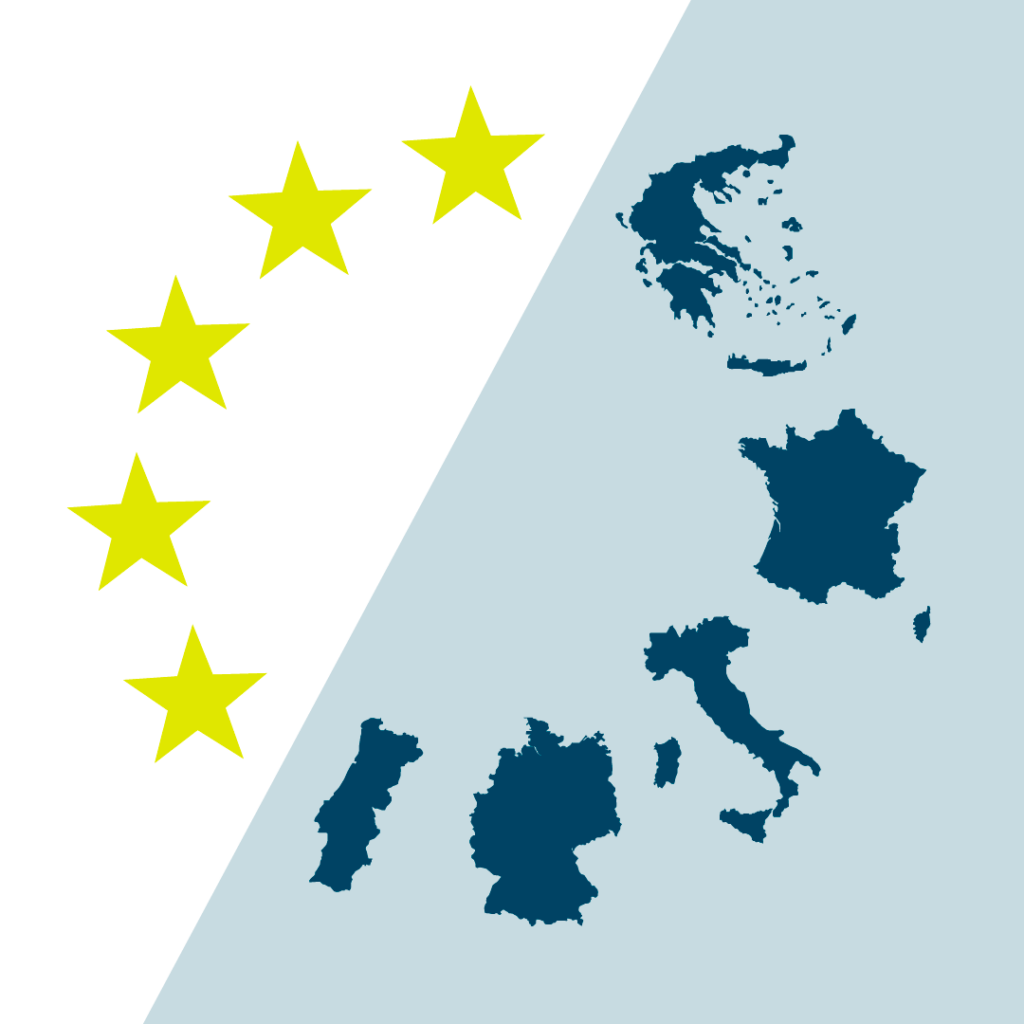
Seit 2021 erhebt die Europäische Union eine Plastikabgabe, die von den Mitgliedsstaaten bezahlt wird. Diese Abgabe beträgt 0,80 Euro pro Kilogramm nicht recyceltem Kunststoffabfall. Das Ziel dieser Abgabe ist es, die Mitgliedstaaten zu motivieren, Maßnahmen zu ergreifen, um den Anteil des nicht recycelten Kunststoffs im Abfall zu verringern.
Nationale Plastiksteuer
Einige Länder finanzieren die EU-Abgabe über den nationalen Haushalt, andere haben spezifische Steuern eingeführt. Einige Mitgliedsstaaten haben zur Finanzierung der EU-Plastikabgabe eine eigene Plastiksteuer eingeführt. Diese nationale Steuer wird direkt auf bestimmte Kunststoffprodukte erhoben und zielt darauf ab, die Nutzung von Einwegplastik zu reduzieren sowie das Recycling zu fördern.
Die Einführung der Plastiksteuer in Deutschland
Die für 2024 geplante Plastiksteuer wurde auf den 01.01.2025 verschoben.
Diese Plastiksteuer dient der Refinanzierung der an den EU-Haushalt zu zahlenden Plastikabgabe, die bislang aus dem Bundehaushalt finanziert wurde. Diese Entscheidung folgt auf eine Regelung im Koalitionsvertrag von Ende 2021, nach der die Kosten zukünftig von den Herstellern und Vertreibern von Kunststoffprodukten getragen werden sollen. Die genauen Details zur Berechnungsgrundlage und zu den Verpflichteten sind noch in der Klärung, aber es wird erwartet, dass die Steuer auf Basis der Menge des nicht recycelten Kunststoffabfalls erhoben wird.
Update 23.01.2025: Es wird auch in 2025 keine nationale Plastiksteuer in Deutschland eingeführt. Stattdessen wird ab dem 01.01.2025 eine Abgabe in Höhe von 0,80 Euro für jedes Kilogramm Kunststoff erhoben, das nicht recycelt wird. Diese Abgabe richtet sich speziell auf Kunststoffabfälle, die nicht in den Recyclingkreislauf zurückgeführt werden können.
Internationale Beispiele zur Umsetzung der Plastikabgabe
Frankreich
In Frankreich, ähnlich wie in Deutschland, wird die Plastikabgabe derzeit aus dem Haushalt finanziert. Eine nationale Plastiksteuer ist momentan nicht in Planung.
Spanien
Spanien hat bereits eine Plastiksteuer eingeführt, die 0,45 Euro pro Kilogramm nicht recyceltem Kunststoff beträgt. Diese Maßnahme zeigt das Engagement des Landes im Kampf gegen Plastikmüll und zur Förderung des Recyclings.
Fazit Plastiksteuer
Die Einführung der Plastiksteuer zielt darauf ab, die Produktion und den Gebrauch neuer Kunststoffe zu reduzieren, was erhebliche Vorteile für die Umwelt mit sich bringt. Jedoch stellt das Fehlen einer einheitlichen Regelung für Hersteller und Händler eine Herausforderung dar, wenn es darum geht, die Umweltvorschriften beim Export in andere europäische Länder einzuhalten.
FAQs
Was ist der Hauptunterschied zwischen der Plastikabgabe und der Plastiksteuer?
Die Plastikabgabe ist eine festgelegte Abgabe auf EU-Ebene, während die Plastiksteuer eine nationale Steuer ist, die auf bestimmte Kunststoffprodukte erhoben wird.
Wie wird die Plastikabgabe in Deutschland finanziert?
Bis jetzt wurde die Plastikabgabe aus dem Bundeshaushalt finanziert, Ab dem 01.01.2025 soll sie durch die dann eingeführte Plastiksteuer für den Bundeshaushalt refinanziert werden.
Welche Länder haben bereits eine Plastiksteuer eingeführt?
Einige Länder wie etwa Spanien haben bereits eine Plastiksteuer eingeführt, andere, wie Frankreich, finanzieren die EU-Plastikabgabe weiterhin aus dem nationalen Haushalt.
Welches sind die Ziele der Plastiksteuer?
Die Hauptziele der Plastiksteuer sind die Reduzierung der Nutzung von Einwegplastik und die Förderung des Recyclings.
Wie beeinflusst die Plastiksteuer die Verbraucher und Unternehmen?
Die Steuer soll Unternehmen dazu anregen, weniger Plastik zu verwenden und nachhaltigere Alternativen zu entwickeln, was letztendlich auch die Verbraucher zu einem bewussteren Umgang mit Kunststoffen motivieren kann.
Für mehr Updates zum Thema Plastiksteuer folgen Sie uns gern auf unserem LinkedIn Kanal!
Wir sind Experten rund um die Verpackungslizenzierung, alle Rücknahmelösungen und Bewertung der Recyclingfähigkeit nach §21 VerpackG.
Auf dem Laufenden bleiben mit Noventiz
Bei Noventiz unterstützen wir Unternehmen Deutschland- und europaweit in allen Fragen zur Umwelt-Compliance. Haben Sie Fragen zu unseren EPR-Leistungen?